WHAT TO EAT DURING THE THREE PEAKS CHALLENGE: NUTRITION GUIDE
Why Nutrition Matters on the Three Peaks
The National Three Peaks Challenge demands approximately 5,000–7,000 calories of energy expenditure over 24 hours. That's roughly three times what most people consume in a normal day. Getting your nutrition wrong can mean the difference between reaching the summit of Snowdon in triumph or hitting the wall on Scafell Pike at 2am.
Before You Start: Pre-Expedition Fuelling
In the 24 hours before your three peaks challenge, focus on carbohydrate loading — but sensibly. You're not running a marathon; you need sustained energy over a much longer period.
The day before:
- Eat regular meals with complex carbohydrates (pasta, rice, potatoes, bread)
- Stay well hydrated — aim for clear or pale yellow urine
- Avoid alcohol, excessive caffeine, and foods that might upset your stomach
- Have a good dinner with protein and carbs (chicken pasta, rice with fish, etc.)
Pre-departure meal (2–3 hours before):
- Porridge with honey and banana
- Toast with peanut butter
- Avoid anything too heavy or greasy
During the Climbs: Summit Fuel
On each mountain, you need easily digestible, high-energy foods that you can eat on the move. Your body is working hard, and blood flow is directed to your muscles — heavy meals will sit in your stomach and slow you down.
Ideal summit snacks:
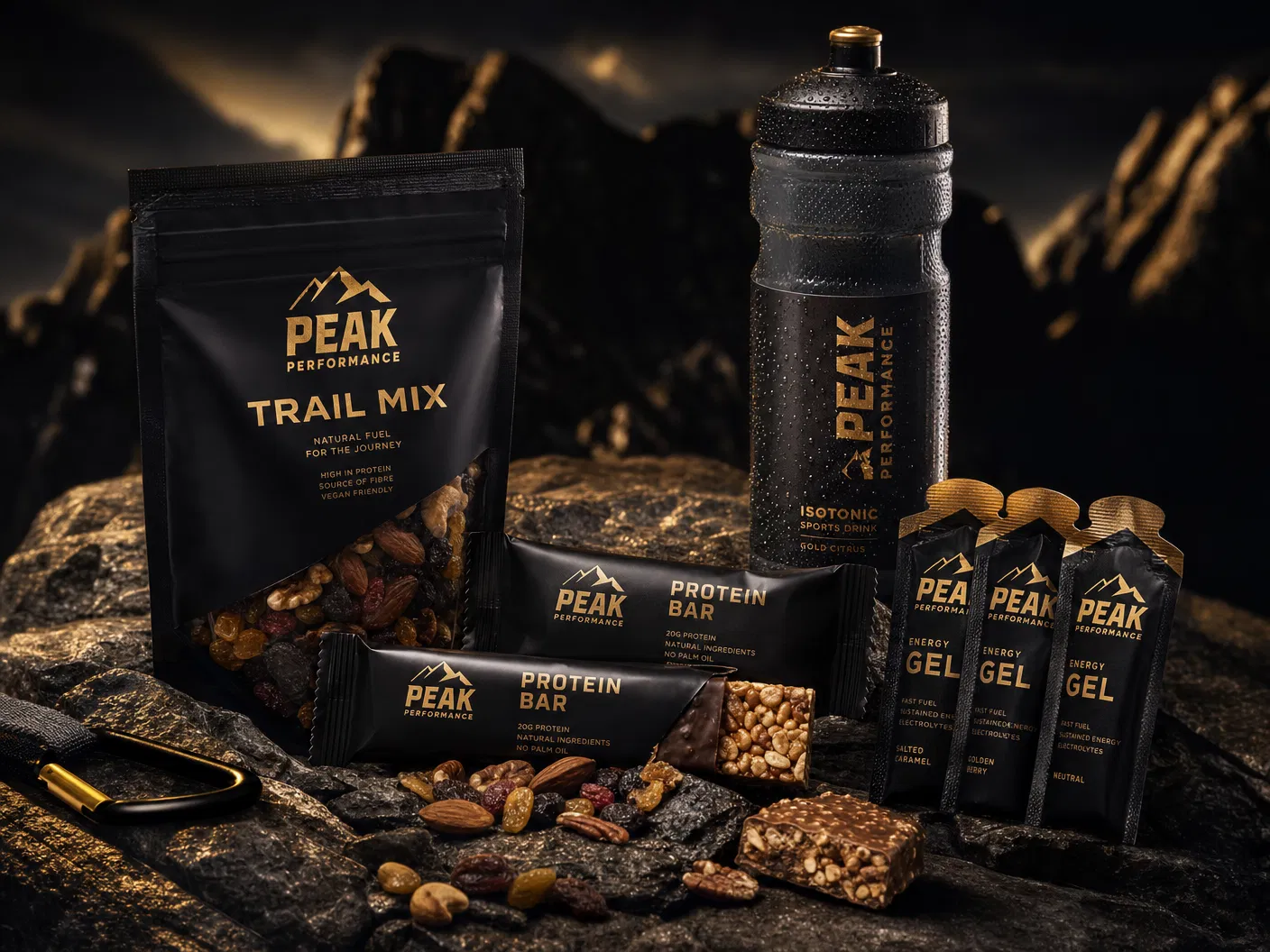
- Energy gels (one every 45–60 minutes of climbing)
- Jelly babies or wine gums (quick sugar hit)
- Flapjacks and cereal bars
- Trail mix with nuts, dried fruit, and chocolate
- Bananas (natural energy, easy to digest)
- Kendal Mint Cake (a Lake District classic for a reason)
Hydration on the mountain:
- Sip water regularly — don't wait until you're thirsty
- Electrolyte tablets or powder in your water
- Aim for 500ml per hour of climbing
- Avoid energy drinks with excessive caffeine
Between Mountains: Recovery Meals
The drives between mountains (approximately 4–5 hours each) are your opportunity to properly refuel. This is where most three peaks providers fall short — offering service station sandwiches or cold packed lunches.
What your body needs between peaks:
- Protein to repair muscle damage (20–30g per meal)
- Complex carbohydrates to replenish glycogen stores
- Sodium and electrolytes to replace what you've sweated out
- Warm food — your body temperature drops when you stop moving
Ideal recovery meals:
- Expedition ration packs (Wayfayrer, Firepot, Expedition Foods) — hot, calorie-dense, easy to prepare
- Pasta bolognese or chilli con carne
- Soup with bread rolls
- Rice dishes with protein
The LSA Expeditions Approach to Nutrition
At LSA Expeditions, we take nutrition seriously. Our luxury vehicle is equipped to prepare hot meals between each mountain. You choose from a selection of premium expedition ration packs — the same brands used by military forces and professional expedition teams worldwide.
Your four meals are selected in advance:
- Pre-expedition meal — eaten before Ben Nevis
- Recovery meal 1 — eaten during the drive from Ben Nevis to Scafell Pike
- Recovery meal 2 — eaten during the drive from Scafell Pike to Snowdon
- Celebration meal — eaten after completing Snowdon
We offer meals from Wayfayrer, Firepot, and Expedition Foods — including options like All Day Breakfast, Chilli Con Carne, Spaghetti Bolognese, Chicken Tikka, and Beef Cottage Pie. Vegetarian and vegan options are available.
Hydration Strategy
Dehydration is one of the biggest reasons people fail the three peaks challenge. Even mild dehydration reduces your physical performance by 10–20% and impairs decision-making.
Our hydration protocol:
- 2L minimum water capacity on each mountain
- Electrolyte supplements provided
- Hot drinks (tea, coffee, hot chocolate) available in the vehicle between peaks
- Water refills at each mountain base
Key Takeaways
- Start fuelled — carb load sensibly the day before
- Eat little and often on the mountains — don't wait until you're starving
- Prioritise warm, protein-rich meals between peaks
- Stay hydrated — sip constantly, use electrolytes
- Choose quality fuel — expedition ration packs beat sandwiches every time
Ready to Take On the Three Peaks?
Build your custom luxury expedition with former military guides, premium transport, and gourmet nutrition.
BUILD YOUR EXPEDITION